+86-13819126663
Αφυγραντήρες για μουσεία, αρχεία και βιβλιοθήκες video

Αφυγραντήρες για μουσεία, αρχεία και βιβλιοθήκες

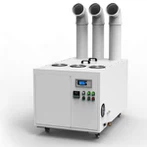
240L Αφυγραντήρας για Μουσεία

Περιγραφή

Αφυγραντήρες για Μουσεία, Αρχεία


Κύρια χαρακτηριστικά:

1. Εφαρμογή μεγάλης επιφάνειας: μεγάλη χωρητικότητα αφύγρανσης, κατάλληλη για μεγάλη ζήτηση αφύγρανσης, μεγάλο κύκλο ανέμου


2, ευρύ φάσμα υγρασίας: 20% -90% εξαιρετικά ευρύ φάσμα υγρασίας, μπορεί να καλύψει τις ανάγκες διαφορετικών θέσεων αφύγρανσης, μπορεί να ανταποκριθεί με ευελιξία σε ακραία περιβάλλοντα


3, υποστηρίξτε τη συνεχή αποστράγγιση: εξωτερικό σωλήνα αποστράγγισης, άμεση πρόσβαση στον σωλήνα αποχέτευσης, βολική αποστράγγιση


4, έξυπνη αφύγρανση: περιέχει έξυπνες μάρκες, αυτόματα έξυπνη αφυγρανση σύμφωνα με την τρέχουσα περιβαλλοντική υγρασία, δεν χρειάζεται να παρακολουθήσετε


5, έξυπνη κρίση σφάλματος: καθορίζει αυτόματα τη θέση σφάλματος και την ανατροφοδότηση στην οθόνη LCD για συντήρηση


6, αμφίδρομο χρονισμό: μπορεί να ρυθμίσει το χρόνο εκκίνησης και τον χρόνο τερματισμού σύμφωνα με τις απαιτήσεις εργασίας, εύκολο να λειτουργήσει


Φωτογραφίες προϊόντων:

Dehumidifiers for Museums, Archives and Libraries

Dehumidifiers for Museums, Archives and Libraries

Λεπτομερείς παράμετροι:

Μοντέλο DH-5168C
Αφαίρεση υγρασίας 168L / D ή 7L / H
Πηγή ενέργειας 380V / 50HZ
Ονομαστική ισχύς εισόδου 3.2KW
Ισχύς ρεύματος 6.2Α
Θερμοκρασία εργασίας 5-38 ℃
Κυκλοφορούν αέρα 1600Μ3 / ώρα
Ψυκτικός R22 / R407C
Καθαρό βάρος 108 Kg
Μεικτό βάρος 118 Kg
Εφαρμογή χώρου 150 ~ 200m2
Διαστάσεις προϊόντος 405x605x1620mm
Διαστάσεις συσκευασίας 485x655x1680mm
Φόρτωση ποσότητας 33pcs / 20ft
Περίοδος παραγωγής 10 ημέρες
Εγγύηση 1 χρόνος

Αίτηση για Αφυγραντήρα σε Μουσεία, Αρχεία και Βιβλιοθήκη

Η έννοια της υγρασίας (απόλυτη υγρασία και σχετική υγρασία) συνήθως εμπλέκεται στη μελέτη μουσειακών περιβαλλοντικών μελετών. Προκειμένου να γίνει κατανοητή η υγρασία, είναι απαραίτητο να κατανοηθεί η σχέση μεταξύ σχετικής υγρασίας και απόλυτης υγρασίας. Ο αέρας γύρω μας περιέχει μια ορισμένη ποσότητα υδρατμών, που ονομάζεται υγρός αέρας. ο αέρας που είναι θεωρητικά απαλλαγμένος από υδρατμούς ονομάζεται ξηρός αέρας. Η απόλυτη υγρασία είναι η αναλογία της μάζας του υδρατμού στον αέρα προς τον συνολικό όγκο του υγρού αέρα. Είναι ένα μέτρο της ποσότητας υδρατμών στον αέρα.


Υπό ορισμένες συνθήκες θερμοκρασίας, ο λόγος της περιεκτικότητας σε νερό στον αέρα προς την περιεκτικότητα σε νερό στην οποία ο υδρατμός στον αέρα φτάνει στο σημείο κορεσμού είναι αυτό που συνήθως ονομάζουμε σχετική υγρασία. Όταν η υγρασία στον αέρα φτάσει στο υψηλότερο επίπεδο, ονομάζεται κορεσμός. Η σχετική υγρασία στην περίπτωση αυτή είναι 100%.


Η ποσότητα νερού που μπορεί να αποθηκευτεί στον αέρα επηρεάζεται από τη θερμοκρασία. Όσο υψηλότερη είναι η θερμοκρασία, τόσο περισσότερο είναι το νερό. Επομένως, η απόλυτη υγρασία (περιεχόμενο νερού) δεν αλλάζει. Όσο υψηλότερη είναι η θερμοκρασία, τόσο χαμηλότερη είναι η σχετική υγρασία. Αν το βάρος του υδρατμού στον αέρα είναι σταθερό και η θερμοκρασία αλλάζει, η σχετική υγρασία μπορεί να διαφέρει πολύ.


Για παράδειγμα, για μουσεία σε ημιυπαίθριο περιβάλλον, οι συλλογές, συμπεριλαμβανομένων των μεταλλικών αντικειμένων, ενδέχεται να εκτεθούν σε υψηλότερη θερμοκρασία και σχετική υγρασία κατά τη διάρκεια της έκθεσης, αλλά για κάποιο λόγο τα αντικείμενα μετακινούνται σε περιβάλλον χαμηλής θερμοκρασίας λόγω της αλλαγής θερμοκρασίας, οι υδρατμοί γύρω από τα μεταλλικά αντικείμενα θα συμπυκνώνονται κάτω από κρύες συνθήκες, προκαλώντας "συμπύκνωση". Το φαινόμενο της "συμπύκνωσης" υδρατμών στην επιφάνεια των μεταλλικών αντικειμένων είναι μια σημαντική αιτία διάβρωσης μεταλλικών αντικειμένων.


Επιπλέον, η υγρασία του περιβάλλοντος στο οποίο τοποθετείται η συλλογή είναι πολύ μεγάλη, γεγονός που καθιστά τις συλλογές με ανεπαρκή αντοχή στο νερό, όπως το χαρτί, το χρώμα των ζωγραφιών σκουραίνει και είναι επιρρεπές σε σημεία καλουπιών. και αν η υγρασία είναι πολύ χαμηλή, το ξύλο και οι λάκες θα σπάσουν. . Επομένως, ο έλεγχος του περιεχομένου της υγρασίας και της θερμοκρασίας της ατμόσφαιρας στο μουσείο είναι πολύ σημαντικό.


Σήμερα, πολλά μουσεία και γκαλερί τέχνης στο εσωτερικό και στο εξωτερικό έχουν αρχίσει να χρησιμοποιούν ατμοσφαιρικούς ρυθμιστές υγρασίας, απορροφητές υγρασίας κλπ. Για να ρυθμίζουν την υγρασία του χώρου εκθέσεων και της αποθήκης και έχουν λάβει ορισμένα αποτελέσματα.

The concept of humidity (absolute humidity and relative humidity) is usually involved in the study of museum environmental studies. In order to understand the humidity, it is necessary to understand the relationship between relative humidity and absolute humidity. The air around us contains a certain amount of water vapor, which is called wet air; the air that is theoretically free of water vapor is called dry air. Absolute humidity is the ratio of the mass of water vapor in the air to the total volume of humid air. It is a measure of the amount of water vapor in the air.  Under certain conditions of temperature, the ratio of the water content in the air to the water content at which the water vapor in the air reaches the saturation point is what we usually call relative humidity. When the moisture in the air reaches the highest level, it is called saturation. The relative humidity in this case is 100%.  The amount of water that can be stored in the air is affected by the temperature. The higher the temperature, the more the water is. Therefore, the absolute humidity (water content) does not change. The higher the temperature, the lower the relative humidity. If the weight of water vapor in the air is constant and the temperature changes, the relative humidity may vary greatly.  For example, for museums in a semi-open environment, collections including metal artifacts may be exposed to a higher temperature and relative humidity during the exhibition, but for some reason the artifacts are moved to In a low temperature environment, due to the change of temperature, the water vapor around the metal artifacts will condense under cold conditions, causing


The concept of humidity (absolute humidity and relative humidity) is usually involved in the study of museum environmental studies. In order to understand the humidity, it is necessary to understand the relationship between relative humidity and absolute humidity. The air around us contains a certain amount of water vapor, which is called wet air; the air that is theoretically free of water vapor is called dry air. Absolute humidity is the ratio of the mass of water vapor in the air to the total volume of humid air. It is a measure of the amount of water vapor in the air.  Under certain conditions of temperature, the ratio of the water content in the air to the water content at which the water vapor in the air reaches the saturation point is what we usually call relative humidity. When the moisture in the air reaches the highest level, it is called saturation. The relative humidity in this case is 100%.  The amount of water that can be stored in the air is affected by the temperature. The higher the temperature, the more the water is. Therefore, the absolute humidity (water content) does not change. The higher the temperature, the lower the relative humidity. If the weight of water vapor in the air is constant and the temperature changes, the relative humidity may vary greatly.  For example, for museums in a semi-open environment, collections including metal artifacts may be exposed to a higher temperature and relative humidity during the exhibition, but for some reason the artifacts are moved to In a low temperature environment, due to the change of temperature, the water vapor around the metal artifacts will condense under cold conditions, causing

Δημοφιλείς Ετικέτες: αφυγραντήρες για μουσεία, αρχεία και βιβλιοθήκεςΚίνα, κατασκευαστές, προμηθευτές, εργοστάσιο, χονδρεμπόριο

Αποστολή ερώτησής

(0/10)

clearall